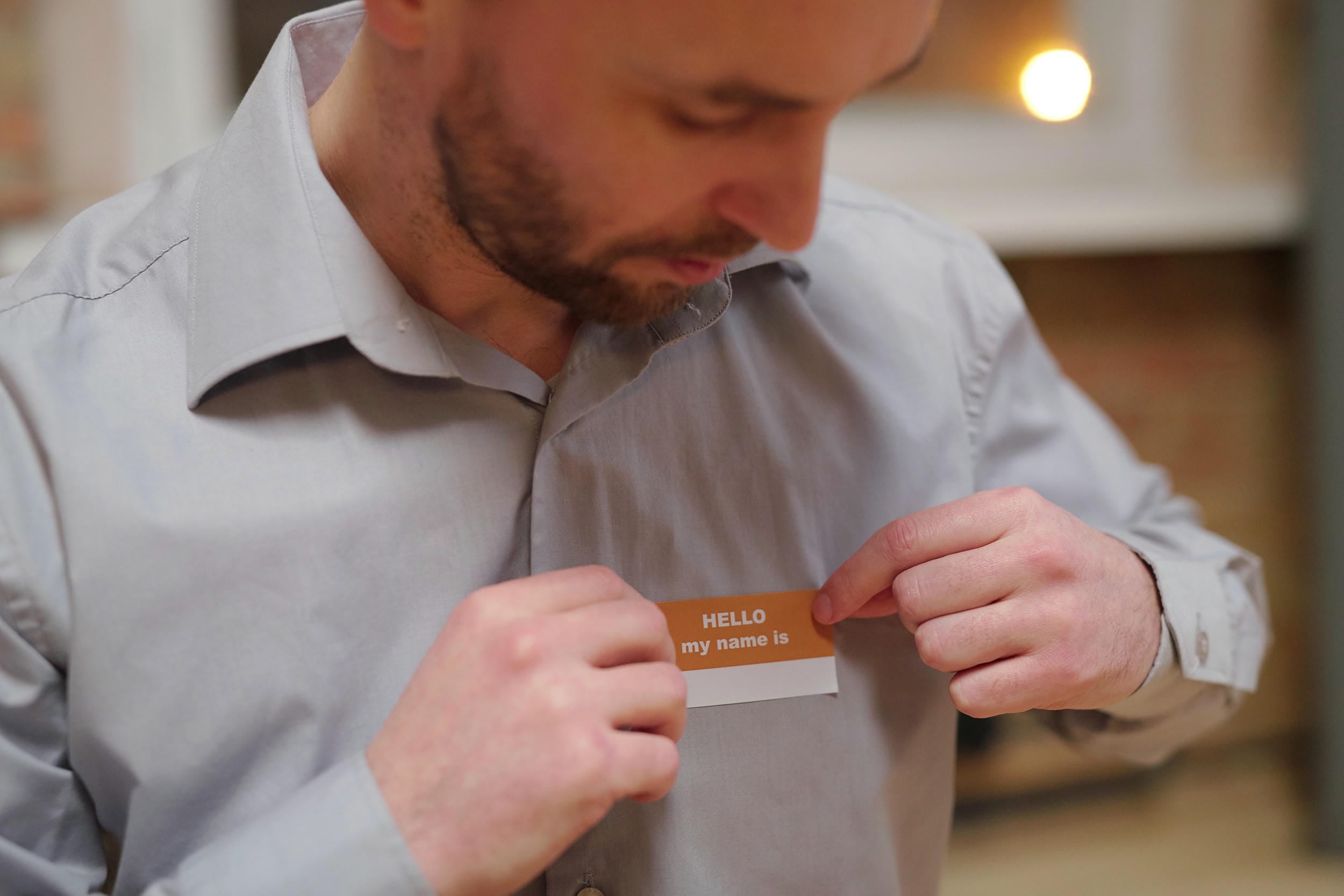
Why Are Some Names Banned?
Name restrictions are usually put in place to prevent harm, confusion, or administrative difficulties. Governments may prohibit names that are offensive, misleading, impossible to register digitally, or likely to cause distress to the individual later in life.
Common reasons names are banned include protecting children from ridicule, preventing fraud or impersonation, and ensuring names can be processed accurately in legal and government systems.
Countries With Strict Naming Laws
Some countries have particularly detailed rules about what names are acceptable. In Germany, names must clearly indicate gender and cannot be objects or surnames used as first names. Iceland maintains an approved register of names, and any new name must conform to Icelandic grammar and pronunciation rules.
In Denmark, parents must choose from a list of pre-approved names or apply for permission for a new one. Japan restricts the use of certain characters to ensure names are readable and culturally appropriate. New Zealand bans names that resemble official titles or are considered offensive, such as those implying rank or authority.
Examples of Banned Names
Around the world, names have been rejected for a variety of reasons. Names that include numbers, symbols, or punctuation are commonly prohibited. Titles such as “King,” “Queen,” or “Justice” are banned in several countries to avoid confusion with official roles.
In some cases, names have been rejected because they are deemed offensive, misleading, or harmful to a child’s well-being.
These restrictions vary widely by country and are influenced by language, culture, and legal systems.
How Does the UK Compare?
The UK has some of the most flexible naming laws in the world. There is no official list of banned names, and adults are generally free to choose any name they wish, provided it is not used for fraudulent purposes and does not include numbers, symbols, or offensive language.
This flexibility extends to name changes by Deed Poll, allowing individuals to adopt new names, including unusual or non-traditional ones, as long as they meet basic legal requirements.
Can You Change Your Name to a Restricted Name?
If you are changing your name rather than registering a birth, restrictions are typically less strict in many countries, including the UK. However, organisations may still refuse to recognise names that are misleading, offensive, or impractical for official use.
Understanding both local laws and institutional policies is essential before choosing a name that may be considered unconventional.
Understanding Name Restrictions Before Changing Your Name
If you are considering a name change inspired by cultural, personal, or creative reasons, it’s important to understand how that name will be treated legally and administratively. Researching naming laws and seeking professional guidance can help avoid complications later.
A legally prepared name change document ensures clarity, consistency, and wider acceptance.
Take The First Step Today
If you’re thinking about changing your name or want advice on what names are legally acceptable, Change My Name can help. We provide fully recognised UK Deed Polls and expert guidance to make the process simple and stress-free.
Visit changemyname.org to apply online or contact our team for personalised support with your name change.