
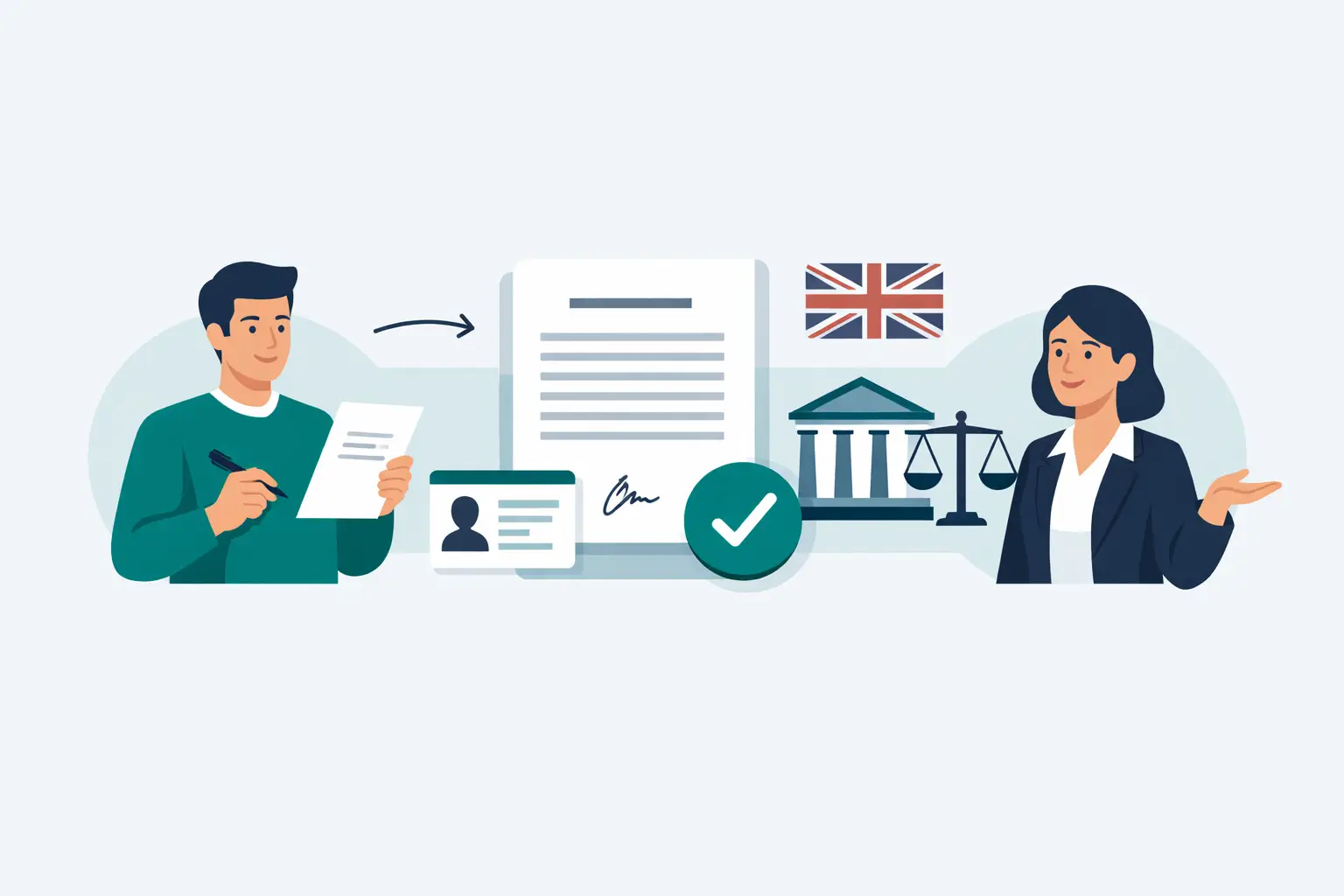
If you need an adult deed poll UK document, you probably do not need a solicitor, a court hearing, or a complicated legal process. What you do need is a correctly prepared deed poll, the right supporting guidance, and a clear plan for updating your records once your new name is in place.
For many people, the hardest part is not the decision to change their name. It is the uncertainty that comes after it. Will the document be accepted? Which organisations should be told first? How long will it take? Those are practical questions, but they often carry a lot of emotional weight as well, especially if the name change follows marriage, divorce, family change, or a transition in identity.
What is an adult deed poll UK document?
An adult deed poll is a legal document used by someone aged 16 or over to prove that they have given up their old name and adopted a new one for all purposes. In the UK, this is the standard route for an official name change when you are changing your name by personal choice rather than simply taking a spouse’s surname after marriage.
The idea is straightforward. The document creates a formal declaration of your new name and your intention to use it consistently. Once signed and witnessed correctly, it can be used to update your records with organisations such as HM Passport Office, DVLA, HMRC, banks, your employer, universities, and the NHS.
That simplicity matters. People often assume changing a name must involve a solicitor because it feels legal and personal. In most cases, it does not. A properly prepared deed poll is widely recognised, provided it meets the expected requirements and is presented correctly.
Who can use an adult deed poll?
An adult deed poll is generally for anyone aged 16 or over who wants to change their name officially. That includes people changing a first name, surname, middle names, or their full name. Some do it after divorce because they want a clean administrative break. Others do it because they have always used a preferred name informally and now want their documents to match. For transgender and non-binary individuals, it can also be an important step towards having identification that reflects who they are.
There is no single type of customer here, and that is worth saying clearly. For one person, this is a practical bit of life admin. For another, it is deeply personal. The process should work for both.
How the adult deed poll UK process works
The actual process is usually much simpler than people expect. First, your deed poll is prepared with your current name and your new chosen name. You then sign it in your old name and your new name, and it must be witnessed. After that, the document becomes your evidence of name change.
The next stage is where most of the admin sits. You use the deed poll to update your records across the organisations that hold your name. In practice, people often start with photo identification and key government records, then move on to banks, work records, GP registration, utilities, and education providers.
Speed depends less on the deed poll itself and more on how quickly you work through those updates. That is why a clear, step-by-step service matters. The document is one part of the job. Knowing what to do next is the part that removes stress.
Do you need an enrolled deed poll?
Usually, no. This is one of the most common points of confusion.
Most people changing their name in the UK do not need an enrolled deed poll. An unenrolled deed poll is commonly accepted by major institutions when it has been correctly prepared and properly executed. Enrolment places your name change on public record, which some people actively do not want, especially where privacy matters.
There are situations where someone may prefer enrolment, but it is not the default choice for most adults. If your priority is changing your name quickly, privately, and without unnecessary cost, an unenrolled deed poll is often the more practical option.
What makes a deed poll acceptable?
Acceptance comes down to a few important things. The document needs to be correctly worded, properly signed, and witnessed in line with expected standards. It also helps if it looks professional and is issued with clear instructions for use. Organisations process these documents every day, and they tend to respond better when paperwork is straightforward and familiar.
This is where people can run into trouble with homemade templates. A free template may seem like the cheapest route, but if it is poorly drafted, missing details, or presented without supporting guidance, it can create delays. Saving a small amount at the start can become expensive in time and frustration later.
A professionally prepared deed poll offers reassurance because it is designed to meet the expectations of the organisations that will review it. That does not just help with acceptance. It helps you feel certain that you are doing things properly.
Which organisations should you update first?
There is no perfect order for everyone, but some updates tend to make the rest easier. Passport and driving licence records are often treated as priorities because they are core identity documents. Once those are updated, banks and employers may find it easier to process your new details.
HMRC, the NHS, pension providers, your GP, your workplace, and any education provider should also be informed. If you rent, own property, travel regularly, or hold professional memberships, those records need attention too.
The right order partly depends on your circumstances. If you need to travel soon, your passport may come first. If payroll records are urgent, your employer and HMRC may need to be near the top of the list. A good service should help you think through those practical priorities rather than leaving you to guess.
Why speed and extra copies matter
Most people do not realise how many places hold their name until they start changing it. That is why extra original copies can be genuinely useful. Some organisations ask to see an original document rather than a photocopy, and sending one copy back and forth can slow everything down.
If you are updating several records at once, having additional originals saves time and reduces the risk of your whole process stalling while you wait for one document to be returned. Digital access can also help if you want a fast reference point while your paper copies are in use.
Speed matters for another reason as well. Once you have decided to change your name, delays can feel draining. A same-day processing option and tracked delivery are not just conveniences. For many customers, they are the difference between feeling stuck and feeling that the process is finally moving.
Choosing a deed poll provider with confidence
Not all providers offer the same level of support. Some simply generate a document and leave the rest to you. Others build the service around reassurance as well as paperwork, which is usually what people actually need.
Look for a provider that explains the process clearly, prepares legally recognised documentation, offers UK-based support, and gives guidance on what to do after your deed poll arrives. A money-back acceptance guarantee is also a strong sign of confidence. It shows the provider understands what matters most to customers – not just receiving a document, but being able to use it successfully.
That is why many people choose a specialist service such as Change My Name. The value is not only in getting a deed poll quickly. It is in removing uncertainty from a process that can otherwise feel more complicated than it needs to be.
Adult deed poll UK mistakes to avoid
The biggest mistake is inconsistency. Once you have changed your name, you should use the new name consistently across your records and day-to-day life. If some documents remain in your old name for too long without a clear reason, it can make future updates more awkward.
Another common issue is choosing the wrong witness or signing incorrectly. Small errors can create unnecessary delays. The same goes for using poor-quality templates or assuming every organisation wants exactly the same thing. Most accept a deed poll, but some may ask for supporting documents depending on the service being updated.
It is also sensible to think ahead about timing. If you have travel booked, job checks underway, or financial applications in progress, plan your name change around those events where possible. The process is usually smooth, but life admin always works better when it is organised in the right order.
Changing your name should not feel like a legal maze. With the right adult deed poll, clear guidance, and a provider you can trust, it becomes a manageable step forward – one that lets your documents catch up with your life.