
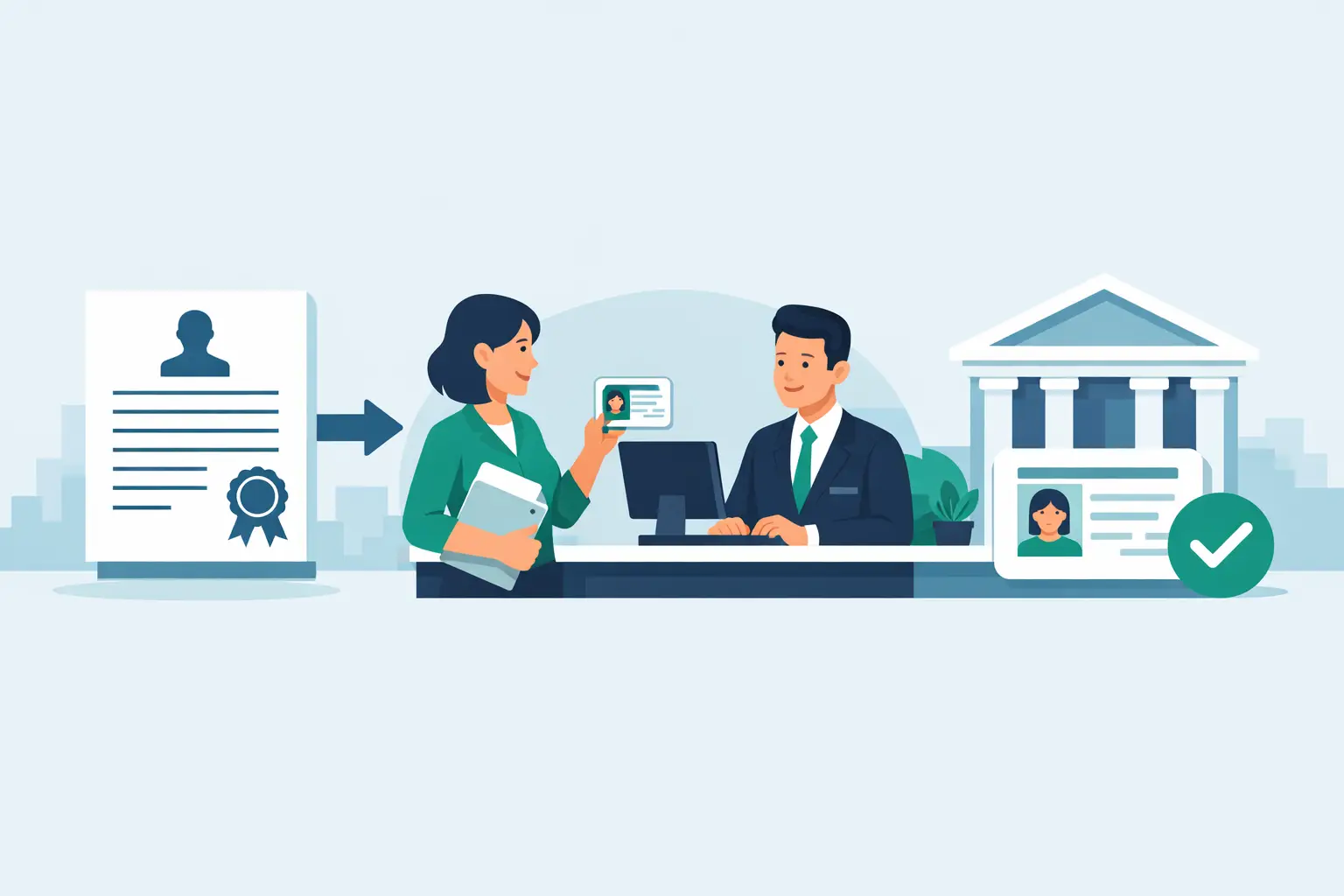
If your deed poll is sorted but your bank account still shows your old name, it can feel like you are stuck halfway through the process. For many people, the step to change name with bank after deed poll is the one that makes everything feel properly official, because it affects your card, statements, online banking and day-to-day payments.
The good news is that updating your bank details is usually straightforward once you know what the bank is likely to ask for. In most cases, you will not need a solicitor, and you should not need to argue your case if you have a properly prepared deed poll and matching identification.
How to change name with bank after deed poll
Banks generally want to see evidence that your new name is the name you are now using. A deed poll is the key document for that. Depending on the bank, you may also be asked for photo ID, proof of address, or an existing bank card or account details so they can locate your records.
Some banks let you start online or through their app, while others ask you to visit a branch or send documents by post. There is no single process across every bank, which is why people sometimes get mixed messages. The basic requirement is usually the same, though: a legally recognised deed poll and enough information to confirm you are the account holder.
If you have recently changed your name for personal reasons, after divorce, or as part of affirming your identity, the process should still follow the same principle. The bank is updating your customer record, not deciding whether your reason is valid.
What documents your bank may ask for
Your deed poll is the main document, but banks can ask for supporting evidence to match their internal checks. In practice, they often want to see your original deed poll or a certified copy, along with identification in your old name or new name depending on what stage you are at.
You may also be asked for proof of address, especially if your branch wants to refresh your full customer file at the same time. If your bank card has expired or your account is under review for another reason, they may request more than the minimum. That does not necessarily mean there is a problem. It often means the bank is following a standard update process.
If you already hold updated ID such as a driving licence in your new name, that can help make things smoother. If you do not, many banks will still accept the deed poll first and update their records before the rest of your documents are changed. It depends on the bank’s policy and the staff member handling the request.
Should you update your bank before your passport or driving licence?
This is where timing matters. Some people prefer to update their driving licence first because it is widely accepted as photo ID and can make the bank process easier. Others want to change their bank details immediately so their account matches the name they are already using elsewhere.
There is no universal right order. If your bank accepts a deed poll on its own, you may be able to update your account straight away. If your bank insists on additional photo ID in your new name, then changing your driving licence first may save time.
What matters most is consistency. Once you begin using your new name, try to keep new applications and updates aligned. Mixed records across different organisations can lead to delays, especially if a bank’s fraud checks pick up different name formats.
What happens when the bank updates your name
Once your request is approved, the bank should update the name on your account and arrange for any replacement debit card or credit card to be issued in your new name. Your statements, letters and online banking profile should then reflect the change too.
This part is usually routine, but it is worth checking every element. Some banks update the account name first and the card later. Others update personal details in one system but not another straight away, which can affect linked products such as savings accounts, credit cards or mortgages.
If you use online banking, check your profile once the change has been processed. If your old name still appears anywhere, contact the bank again and ask them to confirm that all linked accounts have been updated.
How long it takes to change name with bank after deed poll
Processing times vary more than people expect. A branch visit can sometimes result in a same-day update to your account record, but a new card may take several working days to arrive. Postal applications usually take longer because the bank needs time to receive, review and return documents.
Delays can also happen if the bank asks for extra ID or if the name on your deed poll does not match the formatting used on your account. For example, middle names, double-barrelled surnames or shortened first names can trigger extra checks. These are normally solvable, but they can add time.
If speed matters, ask the bank exactly what they need before submitting anything. That small step can prevent a lot of back and forth.
If your bank says no
A refusal is frustrating, but it does not always mean a final refusal. Sometimes the issue is not the deed poll itself. It may be that the bank wants an original rather than a photocopy, wants additional proof of identity, or needs the request handled by a different team.
Ask the bank to explain clearly what is missing and whether they have a published name-change process. Keep the conversation focused on requirements rather than opinion. If one branch or staff member seems uncertain, it can help to speak to customer services or request that the matter is reviewed by the appropriate department.
A properly prepared deed poll should be accepted as evidence of a legal name change. If you are using a trusted service such as Change My Name, the document should be suitable for major institutions and designed to meet the standards they expect. That reassurance matters when you are dealing with a bank that appears unsure.
Practical tips before you contact the bank
It helps to prepare before making the request. Make sure the deed poll is signed correctly and that any witness details are complete if required. Have your account number, sort code and customer details ready so the bank can locate your record quickly.
If your bank allows in-branch updates, take more than one form of identification if you have it. Even if the website only mentions a deed poll, extra ID can speed things up if the adviser wants to complete all checks in one appointment.
It is also sensible to think about timing around upcoming payments. If you are waiting for a new bank card, avoid cutting things too fine before direct debits, travel or major purchases. Most account functions continue as normal during the update, but your card replacement may briefly affect convenience.
Common issues people run into
One common problem is assuming every financial product linked to the bank will update automatically. Current accounts, savings, loans and credit cards can sit on separate systems, so check each one. Another issue is using your new name informally before official records have caught up, which can cause confusion when proving identity.
For transgender and non-binary customers, the process can carry more emotional weight than a standard admin task. A respectful bank should simply process your name change based on the documents provided. If communication feels dismissive or invasive, you are entitled to ask for the bank to stick to the document requirements and handle your request appropriately.
Parents changing a child’s name may face extra checks if a junior account is involved. In those cases, the bank may ask for documents relating to parental responsibility as well as the child’s deed poll. That is normal and does not mean the change cannot be completed.
The simplest way to make the bank update easier
The smoother your deed poll paperwork is, the easier the rest of the process tends to be. Banks deal with high volumes of identity updates, so clear, correctly prepared documents make a real difference. Confusion usually starts when paperwork looks informal, incomplete or inconsistent with the rest of your records.
That is why many people choose a specialist provider rather than trying to piece everything together themselves. When your document is professionally prepared and backed by clear guidance, you can approach your bank with more confidence and far less uncertainty.
Changing your bank details is one of those practical steps that can quietly lift a weight off your shoulders. Once your card, statements and online banking finally show your correct name, everyday life starts to match the decision you have already made.