
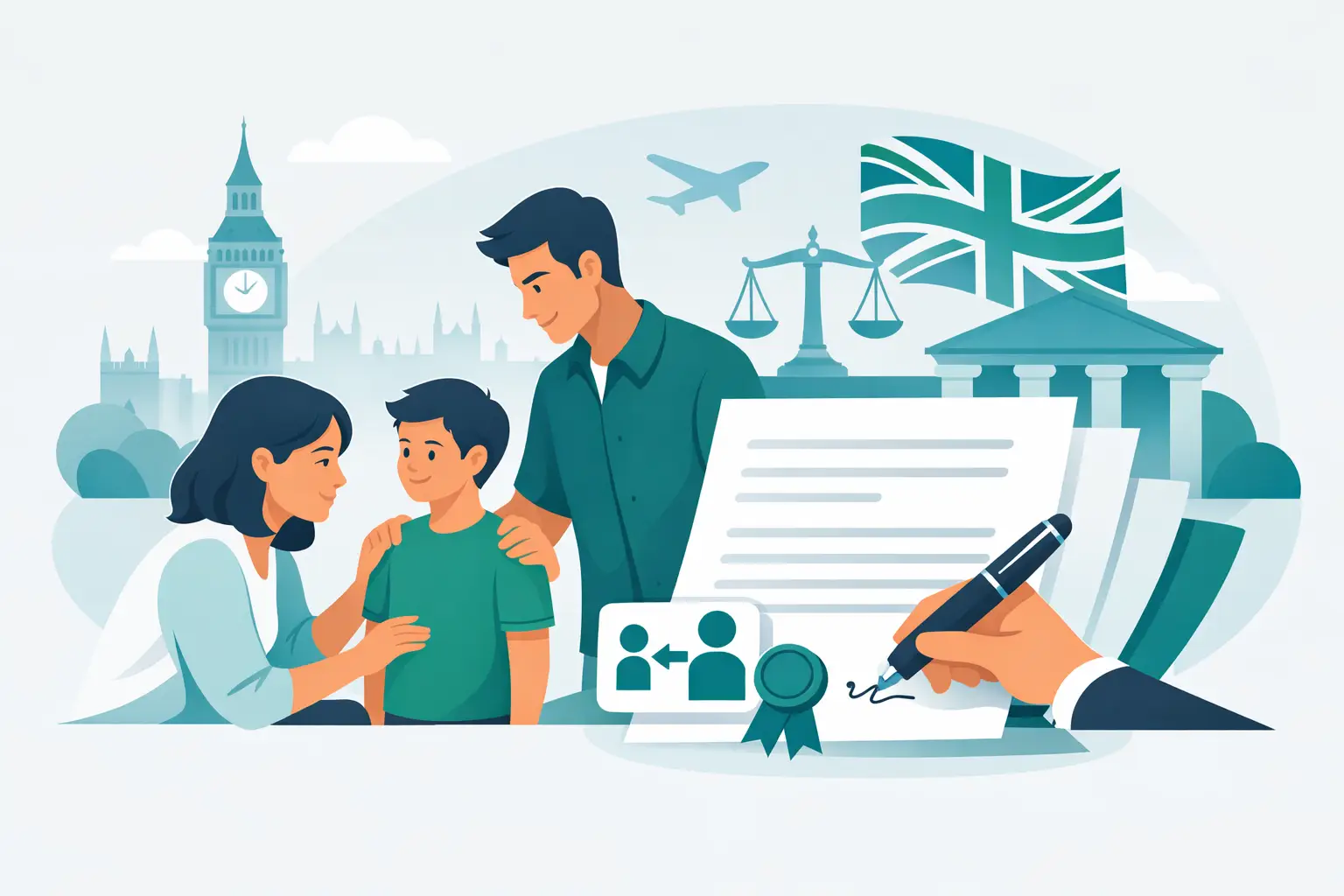
A child deed poll UK application usually starts with a simple question that carries a lot of weight: can I change my child’s name, and what do I need to do to make it official? For most parents, the hard part is not deciding on the new name. It is working out the rules, getting the right consent, and making sure schools, passport records and other organisations accept the change without delay.
That is where clear guidance matters. Changing a child’s name is a recognised legal process, but it has to be handled properly. The details depend on your child’s age and who has parental responsibility, so getting it right at the start can save a great deal of time and stress later.
How a child deed poll UK process works
A deed poll is the document that records a person’s intention to give up an old name and use a new one for all purposes. When the name change is for a child, the process is slightly different from an adult application because consent matters.
In practical terms, the document is prepared in the child’s current legal name and their new name. It is then signed by the people who are legally entitled to approve the change. Once completed correctly, it can be used to update official and everyday records such as school details, GP records and, where needed, a passport.
The process is designed to be straightforward, but there is one point that often catches families out: a parent is not always the only person who has the legal right to agree to the name change. The key issue is parental responsibility.
Who must agree to a child’s name change?
If everyone with parental responsibility agrees, a child deed poll is usually quite simple. If there is disagreement, matters become more complicated and you may need a court order before the name can be changed officially.
Parental responsibility is not always as obvious as people expect. A child’s mother usually has it automatically. A father may have it automatically in some circumstances, or he may have acquired it through being named on the birth certificate, a parental responsibility agreement or a court order. In some families, guardians or others may also hold parental responsibility.
This is why consent is such a central part of a child deed poll UK application. If somebody with parental responsibility has not agreed, many organisations will be cautious about accepting the change, especially for identity documents. It is far better to sort that question out before applying than to discover problems when you try to update records.
If your situation is unclear, the safest approach is to confirm who has parental responsibility first. That can feel frustrating when you want to move quickly, but it protects both the child and the validity of the name change.
Does your child’s age make a difference?
Yes, and it can affect both the process and the paperwork.
For younger children, the adults with parental responsibility make the application and sign on the child’s behalf. The child does not take legal ownership of the process in the same way an adult would.
Older teenagers can sometimes confuse matters because they may already be using a preferred name at school, socially or in part-time work. But informal use is not the same as a formal legal document. If the person is under 16, the child deed poll route is normally the relevant one. Once they are 16 or over, they can usually change their own name by adult deed poll.
That distinction matters because institutions often look at age carefully when deciding what evidence they need. Using the correct type of document helps avoid rejection and repeat applications.
What information is usually needed?
Most families expect a long legal process, but the basic information required is usually quite simple. You will generally need the child’s current full name, the new full name, their address, and details of the people who have parental responsibility and are giving consent.
Accuracy matters more than complexity. A small spelling mistake, a name entered in the wrong order, or inconsistent details across supporting documents can cause delays when you start updating records. It is worth checking every detail carefully before the deed poll is issued.
This is one reason many parents prefer a specialist service rather than trying to draft documents themselves. A properly prepared document, backed by clear instructions and support, reduces the chance of avoidable problems.
What happens after the deed poll is signed?
Once the deed poll has been completed, the next step is using it to update the child’s records. This is where the process becomes less about legal formality and more about practical life admin.
Schools and nurseries are often among the first places parents notify, because the child’s day-to-day name use matters. GP surgeries, dentists and other healthcare providers may also need updated records. If the child has a passport, or you plan to apply for one in the new name, the deed poll will be part of that process too.
Some organisations update records quickly. Others may ask for original documents, additional identification or signed consent from all relevant parties. That does not necessarily mean anything is wrong. Different institutions have different checks, especially where a child’s identity is involved.
Having more than one original copy can be genuinely helpful here. If several updates need to happen at the same time, waiting for a single document to be returned can slow everything down.
Will a child deed poll be accepted?
This is usually the biggest worry, and understandably so. Parents want reassurance that the document will be recognised when it matters.
A correctly prepared deed poll is a legally recognised way to record a name change. Acceptance usually depends on whether the document has been completed properly and whether the necessary consent is in place. For a child’s records, institutions may be especially careful, but that is about safeguarding rather than doubting the legal basis of deed poll itself.
If you use a trusted provider with clear guidance, professionally prepared documents and support for updating records, the process is generally much smoother. Change My Name, for example, focuses on fast document preparation, step-by-step support and a money-back acceptance guarantee, which gives families an extra layer of reassurance when they need documents recognised by major UK institutions.
Common situations where parents seek a child deed poll
No two families arrive at this decision for exactly the same reason. Sometimes a parent wants the child’s surname to match the wider family unit after separation, remarriage or a new relationship. Sometimes the child has been known by a different name for years and the formal paperwork simply needs to catch up. In other cases, the change is tied to identity, safety, privacy or a wish to remove an association with a difficult past.
Those reasons can be deeply personal. The legal process itself is practical, but the decision behind it often is not. A good service should respect both sides – the paperwork and the significance.
When things are not straightforward
Some cases are simple. Others are not.
If one person with parental responsibility refuses consent, you may not be able to proceed with a straightforward child deed poll alone. If there is a dispute about the child’s best interests, the matter may need to go before the court. The same can apply if there is uncertainty about parental responsibility or concerns about whether the change is appropriate.
This is one of those areas where speed has limits. It is sensible to move quickly when everyone agrees, but where there is conflict, forcing the process usually creates bigger problems later. Clarity first, paperwork second, is often the better route.
Choosing the right service
Parents usually want three things from a name change provider: a document that will be accepted, a process that is easy to follow, and support if anything is unclear. Cost matters too, but the cheapest option is not always the best value if it leads to rejected paperwork or confusion over what to do next.
Look for a service that explains the child deed poll UK process in plain English, checks the details carefully, and provides documents that are suitable for use with major organisations. Fast processing is useful, especially if there is an upcoming trip, school deadline or appointment, but reassurance and accuracy matter just as much.
A child’s name change should not feel like something you have to decode on your own. When the paperwork is prepared properly and the consent is in place, the process is often much more manageable than families expect.
If you are considering a child deed poll, the best next step is usually the simplest one: make sure you know who must consent, check the child’s details carefully, and start with documents you can trust. That small bit of preparation tends to make the whole process feel lighter.